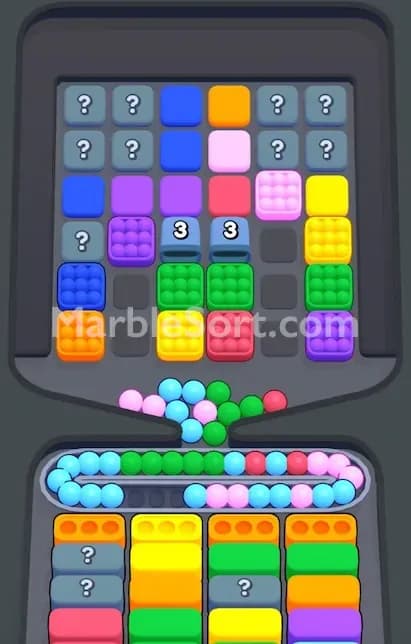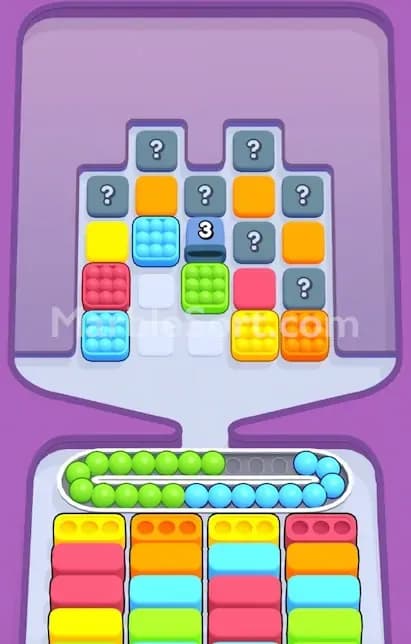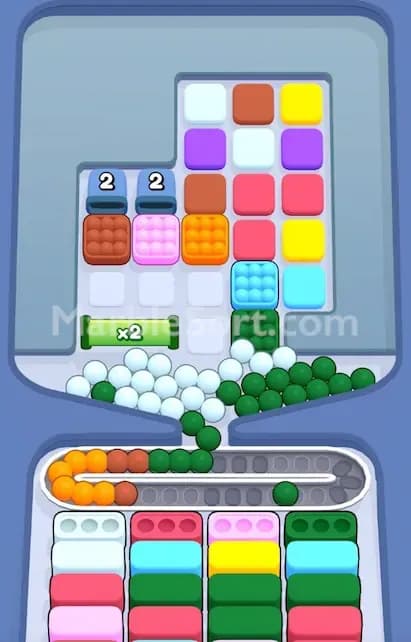
You tap one box. Two boxes drop. The conveyor floods, the colors scatter, and suddenly the level is one bad marble away from choking.
That is the point of Connected Box.
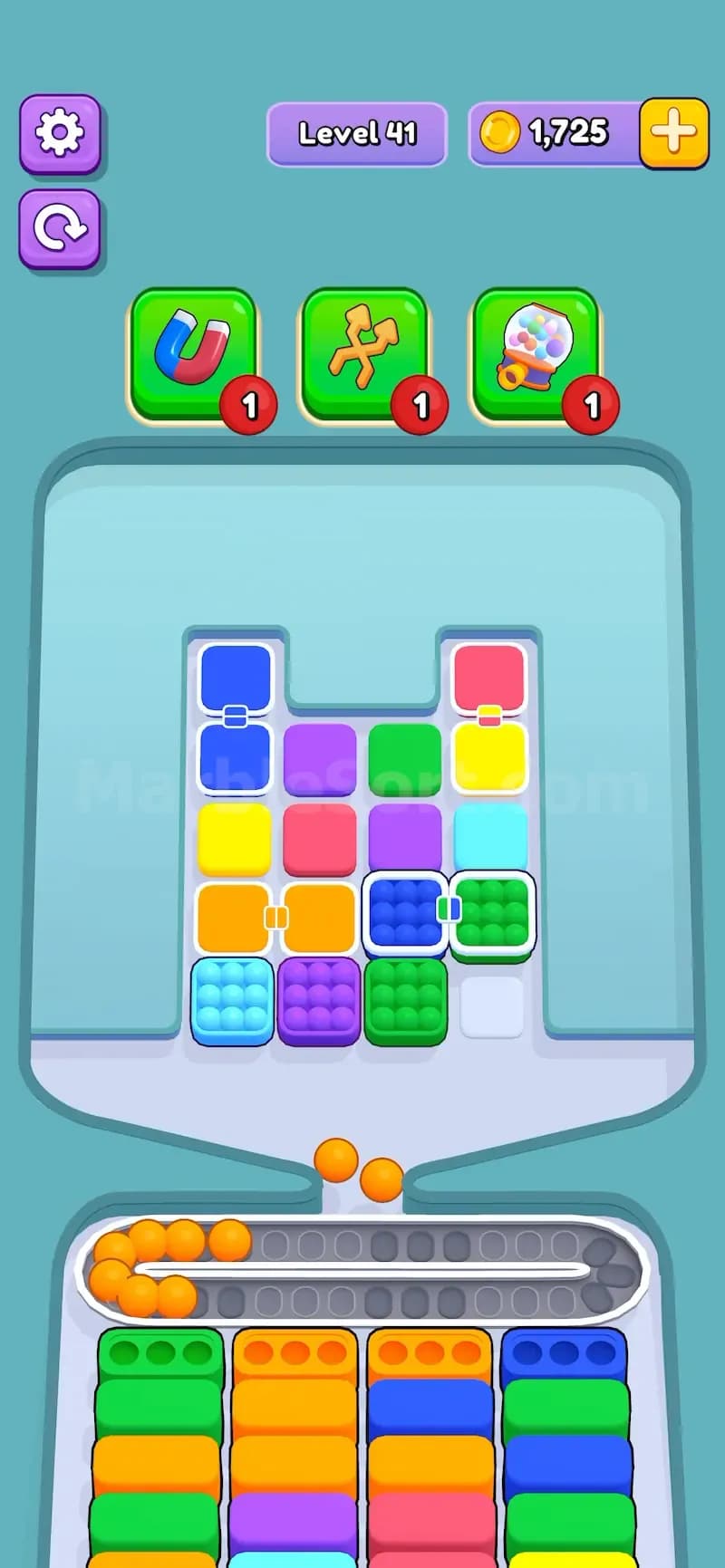
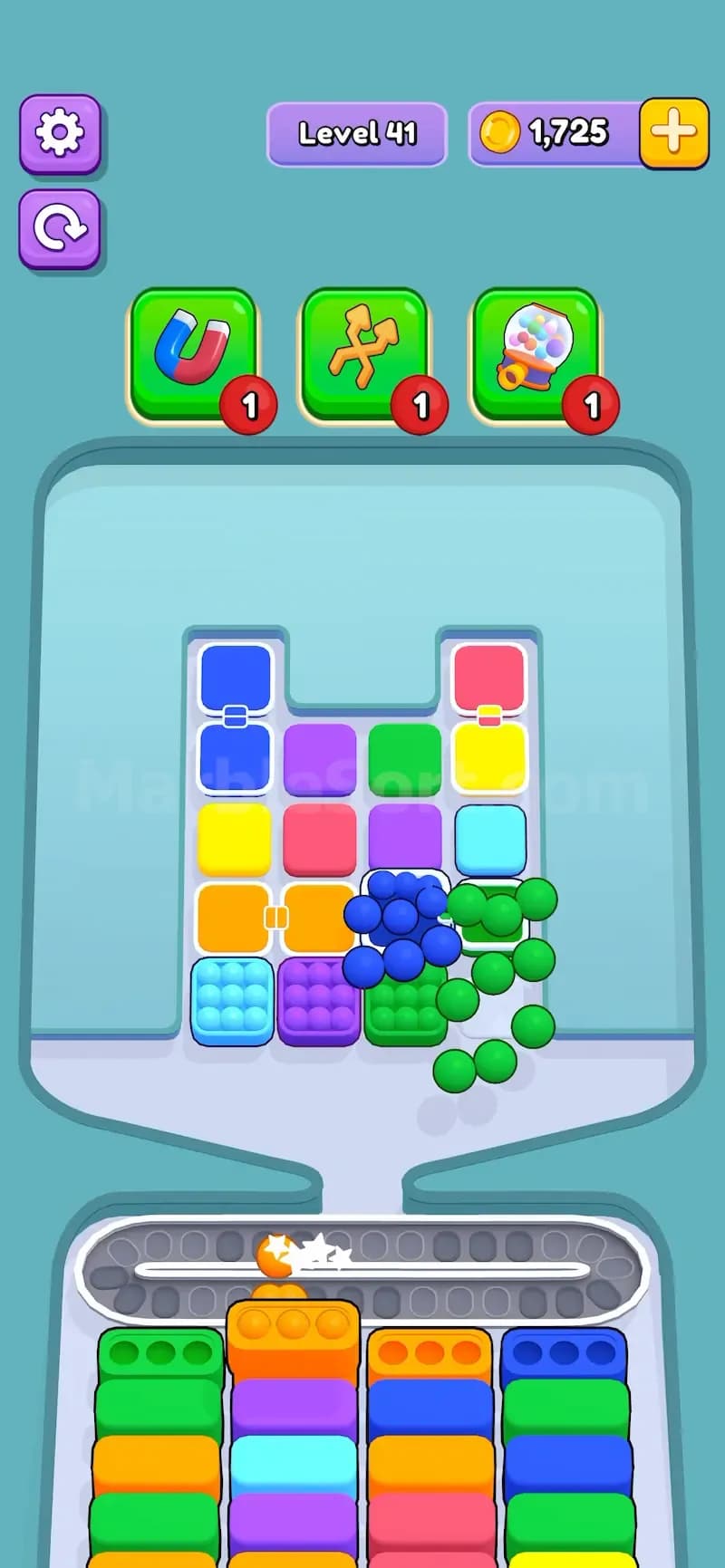
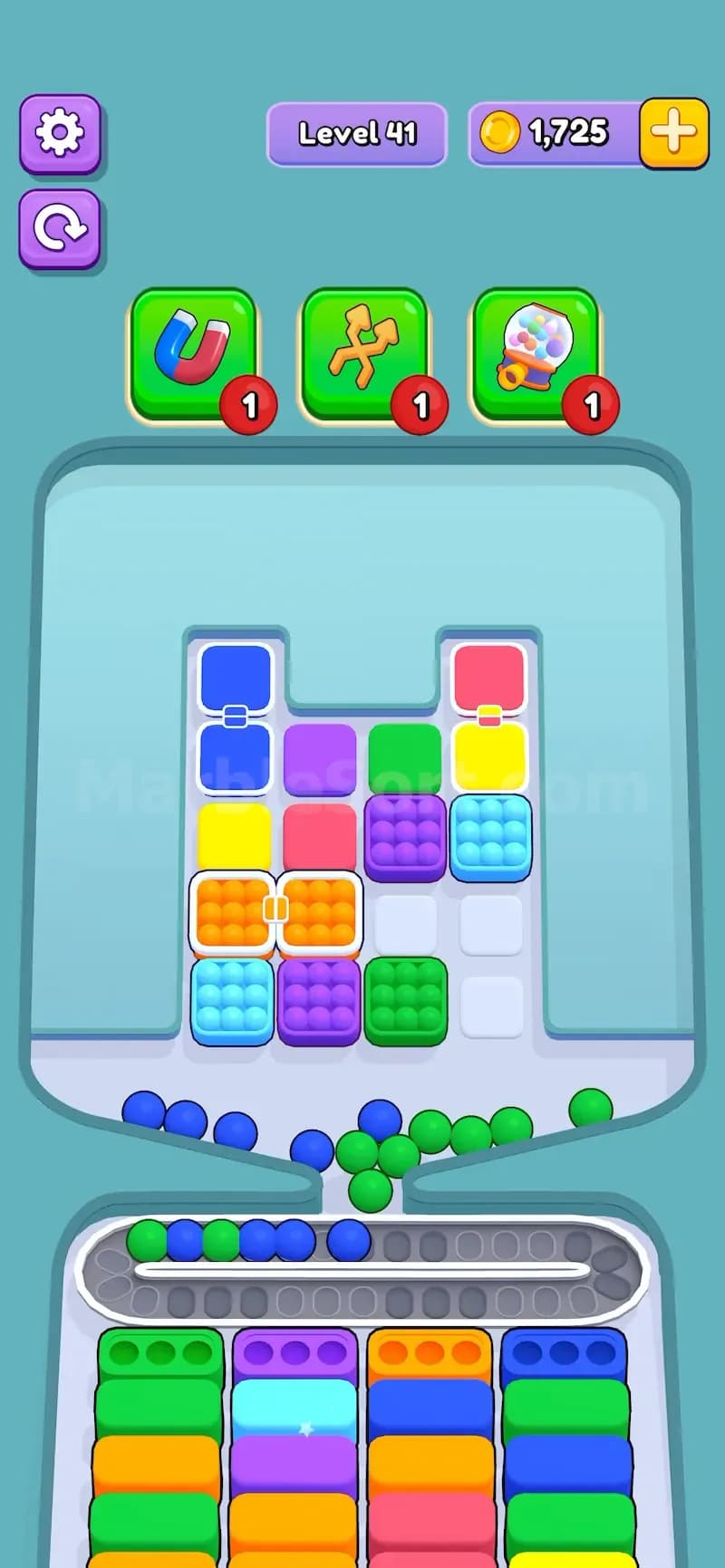
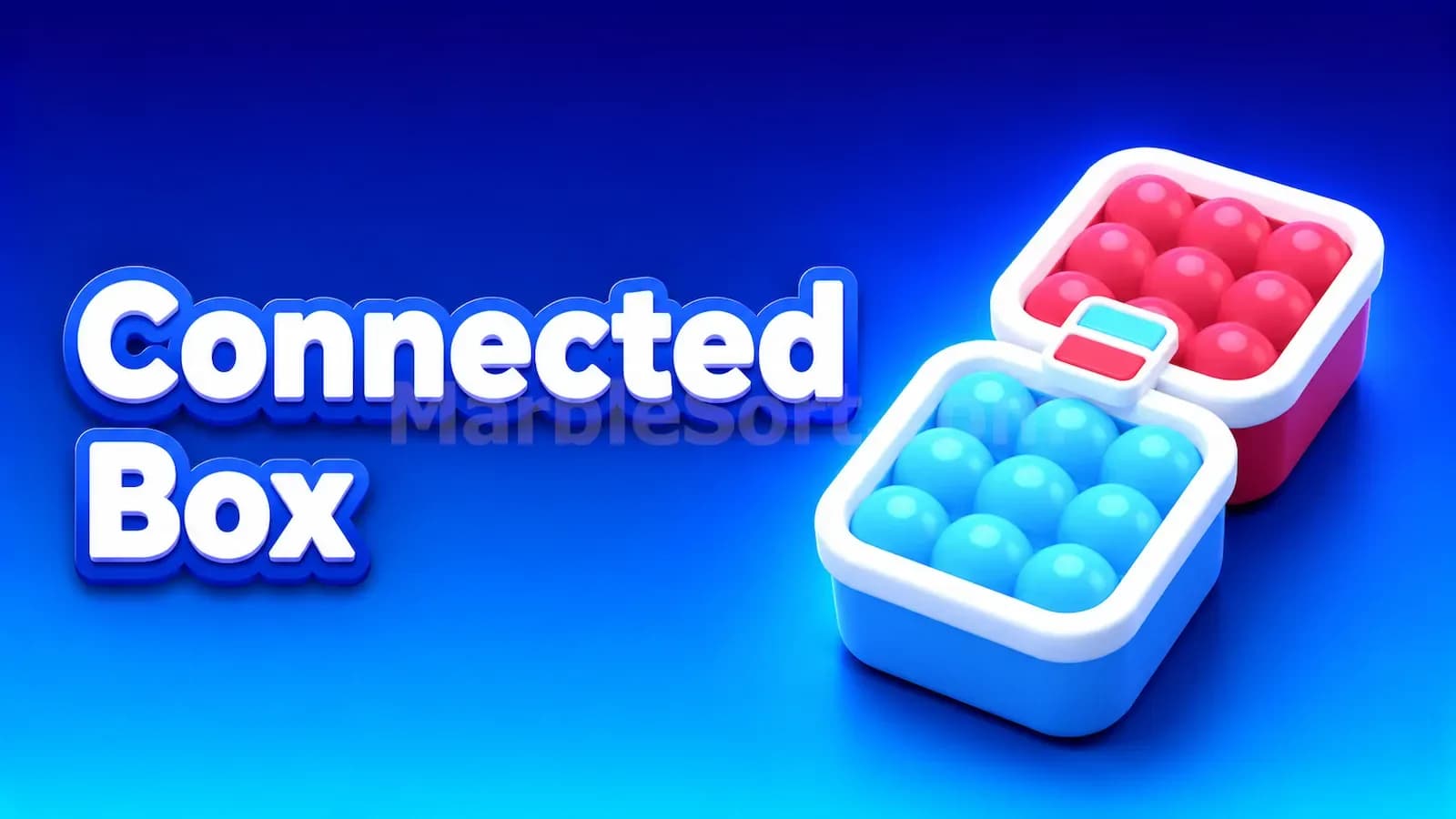
A Connected Box is a pair of colored boxes at the top of the level tied together by a small connector. The two boxes act as one linked move. When you tap either box, both release their marbles at the same time. You are not choosing one color. You are choosing the pair.
That sounds simple.
It is not.
Because each top box can hold a full stack of marbles, one tap can send a huge pile onto the conveyor. If the pair has two useful colors, great. You just made progress fast. If one color is useful and the other has nowhere to go, that second color becomes trash traffic. It rides around the belt, blocks space, and turns a clean board into a jam.
A Connected Box is shown as two top boxes joined by a small link. The colors can be different, or they can sometimes support the same clear plan.
Tapping the left or right side gives the same result. Both connected boxes release.
If the pair is Blue + Yellow, then Blue and Yellow both fall. You cannot split the move.
A normal box drop is already risky when the belt is busy. A Connected Box can double that pressure instantly.
Do not tap because one color looks useful. Tap only when both colors have a purpose.
Connected Box is not just another blocker. It is a resource management test.
The game is asking one nasty question: can you afford the second color?
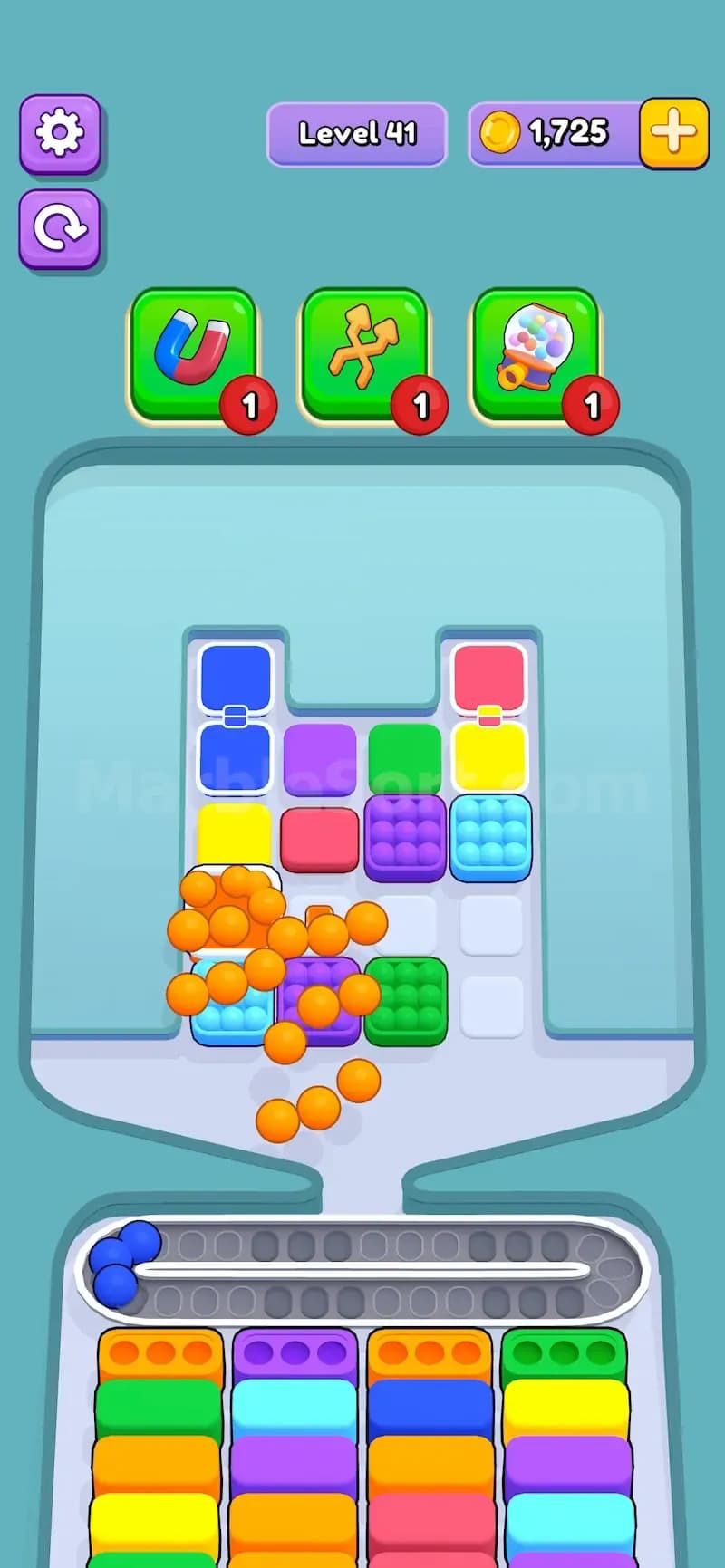
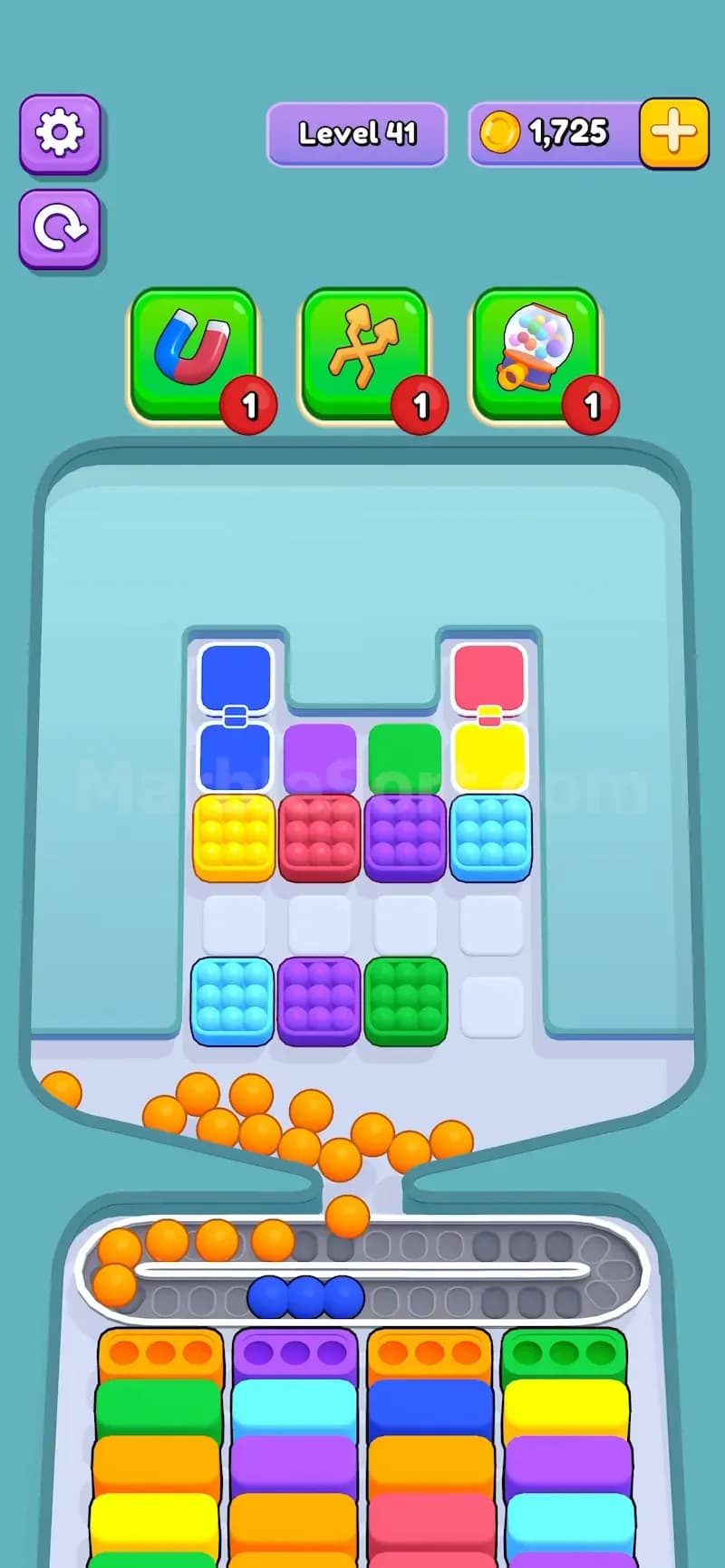
A normal move lets you fix one problem. A Connected Box can fix two problems, but it can also create one big problem. The linked drop matters because Marble Sort is built around limited belt space. Every marble sitting on the conveyor is using room that could have been saved for a better color.
That is why this feature punishes greedy tapping.
You might see a Green bottom box with two slots open and a Green + Red Connected Box at the top. The Green looks perfect. Tap it too early, though, and the Red marbles spill out with no matching Red Box ready. Now those Red marbles circle the belt while you scramble to clear something else.
That is how hard levels get you.
Not with one huge mistake. With one move that looked fine.
Use a Connected Box when the board can handle both colors.
Good times to tap:
Bad times to tap:
The rule is harsh but fair: if you cannot use the second color soon, do not drop the pair yet.
Say you have a Blue + Pink Connected Box at the top.
At the bottom, you can see:
This is not a perfect drop, but it can work if the Blue clears fast and the Pink has a slot ready. The Blue marbles reduce pressure by finishing a box. The Pink marbles do not all need to vanish instantly, but they need somewhere to go before the belt gets clogged.
Now change the setup.
You have the same Blue + Pink Connected Box, but only Blue is open at the bottom. No Pink Box. No empty Pink slots. The conveyor is half full.
Do not tap.
That Pink stack will become belt clutter. It may block your next needed color, delay a clear, or force you into a booster. The Blue reward is not worth the Pink mess.
With normal boxes, you can play reactively. See a color, drop a color, fill a box. Easy rhythm.
Connected Box breaks that rhythm.
You need to think in pairs:
That last question matters most.
A bad Connected Box drop does not always fail immediately. Sometimes it waits. The extra color rolls around quietly, taking space, until your next two moves have nowhere to land. Then the level feels unfair. It was not unfair. The trap started earlier.
Hard Marble Sort levels often hide the real value of a Connected Box.
At first, the tied pair may look useless. The colors do not match anything visible. The bottom boxes seem wrong. The board feels like it is baiting you into a bad drop.
Usually, the answer is to clear smaller, safer boxes first.
Once you remove a few lower boxes, the pattern starts to show. A color that looked useless suddenly has a matching box. A tied pair that looked dangerous becomes the exact move needed to open the level.
This is especially common when the level stacks blockers or hides important colors behind other clears. The game wants you to waste the Connected Box early. Don’t. Make the board prove that both colors are needed.